Sponsored by Edogawa City Ward • Produced by Kalani Poomaihealani •
Sponsored by Edogawa City Ward • Produced by Kalani Poomaihealani •
Sponsored by Edogawa City Ward • Produced by Kalani Poomaihealani •
Sponsored by Edogawa City Ward • Produced by Kalani Poomaihealani •
Sponsored by Edogawa City Ward • Produced by Kalani Poomaihealani •
A Message from Mayor Blangiardi of Honolulu
SPECIAL GUEST
Kumu Hula Aureana Tseu
Kumu Hula Aureana Tseu is a cultural curator dedicated to sharing Hawaiian traditions through hula, storytelling, and performance. With deep roots in her heritage, she brings the spirit of aloha to global audiences. As an Executive Producer, Director, and Director of Hawaiian Curriculum and Education, she continues to shape and elevate the presentation of authentic Hawaiian culture worldwide.
Hūʻewa
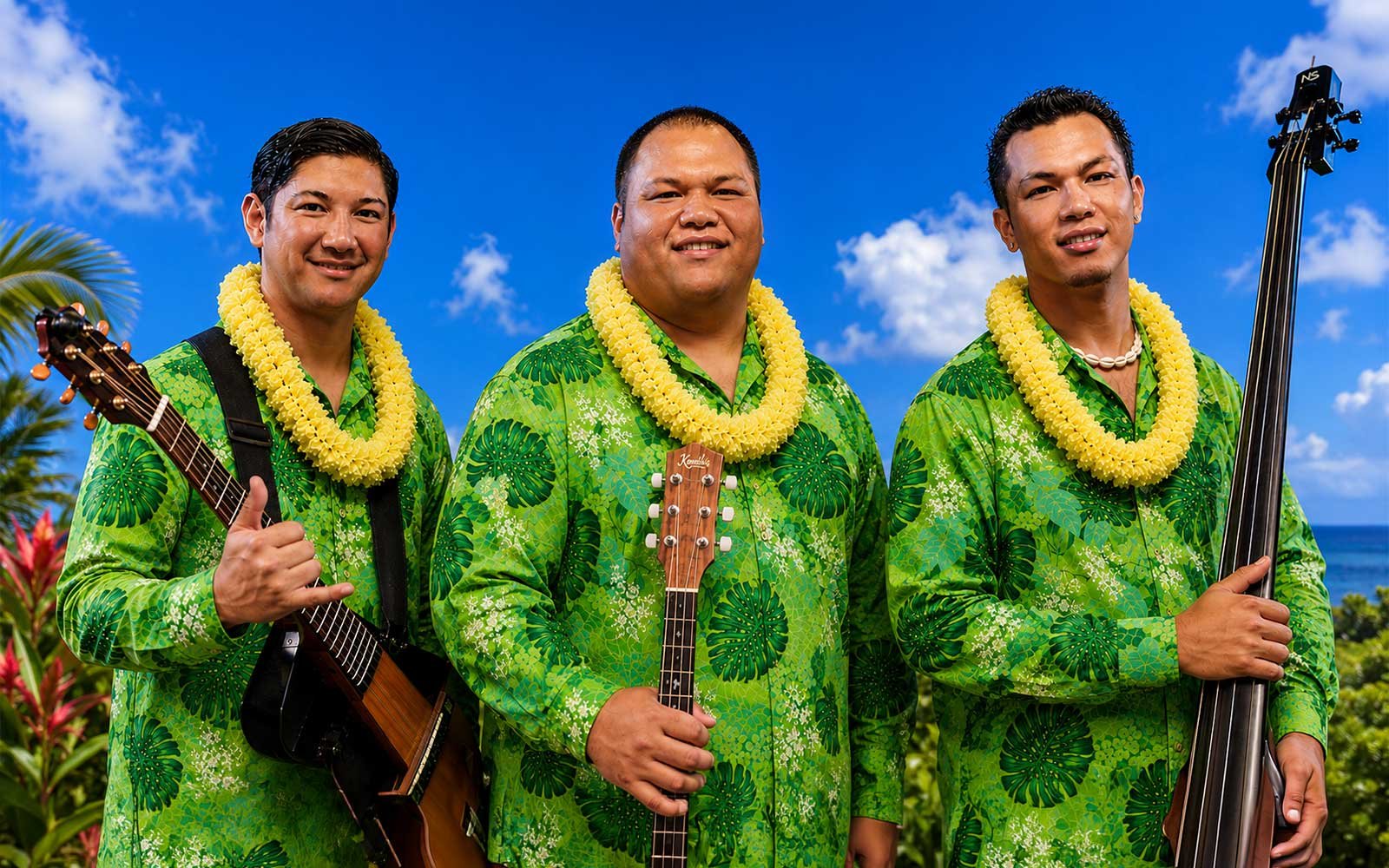
Hūʻewa is a Nā Hōkū Hanohano Award recipient celebrated for its contemporary Hawaiian music, traditional falsetto vocals, rich harmonies, and deep roots in the hula community. The band specializes in bringing classic, vintage Hawaiian songs into the modern era using acoustic instruments and a fresh, youthful energy. From left to right, the members are Kupu Dalire-Naʻauao; Kekoa Kane; and Kahi Lum-Young.
Explore the Events
From cultural traditions and island competitions to food, music, and community celebrations, there’s something for everyone.
2026
LEI COURT
NĀ PĀʻANI KAHULUI
O MAKAHIKI
ISLAND
COOKING
FOOD & PRODUCT VENDORS
ISLANDERS VILLAGE
GRAND PARADE
Explore All That’s Happening
Workshops, games, demonstrations, dances and more, something for everyone to enjoy.
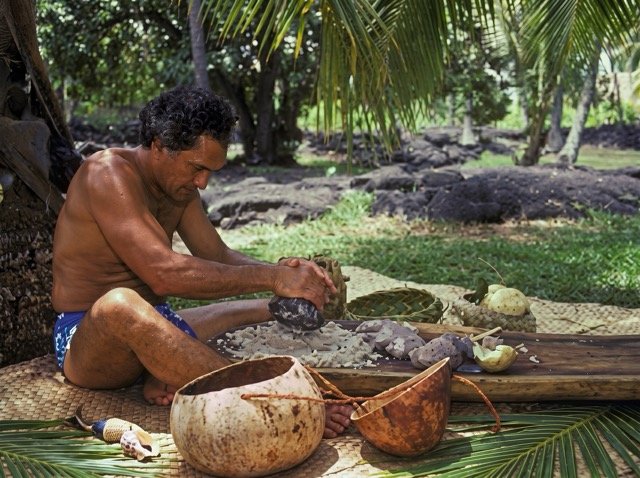
Poi is a traditional Hawaiian staple made from cooked taro, known in Hawaiʻi as kalo. The taro is pounded and mixed with water until it reaches a smooth, paste-like consistency.
For generations, poi has held an important place in Hawaiian food, culture, and family traditions. This demonstration gives visitors a closer look at how poi is traditionally prepared and the cultural meaning behind the process
why poi matters
Poi has long held an important place in Hawaiian culture. Traditionally made from kalo, or taro, it was a staple food shared within families and communities. Kalo also carries strong cultural meaning in Hawaiian tradition, connecting food, family, land, and ancestry.
how poi is made
Traditionally, cooked kalo is pounded on a wooden board with a stone pounder. Small amounts of water are added as the taro is worked into a smooth consistency. The texture can vary from thick to soft depending on how much water is added.